

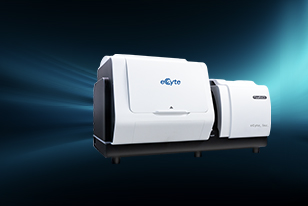


The eCyte Microbial Ecology Young Scientist Award was presented during the 2026 Annual Meeting of the Committee of Microbial Ecology, Chinese Society for Ecology (CAME 2026).
Selected by the Committee of Microbial Ecology and sponsored by eCyte, the award recognizes outstanding young researchers who have made significant contributions to microbial ecology and encourages original scientific discoveries and innovation.
We are delighted to congratulate this year's four award recipients for their outstanding research achievements!
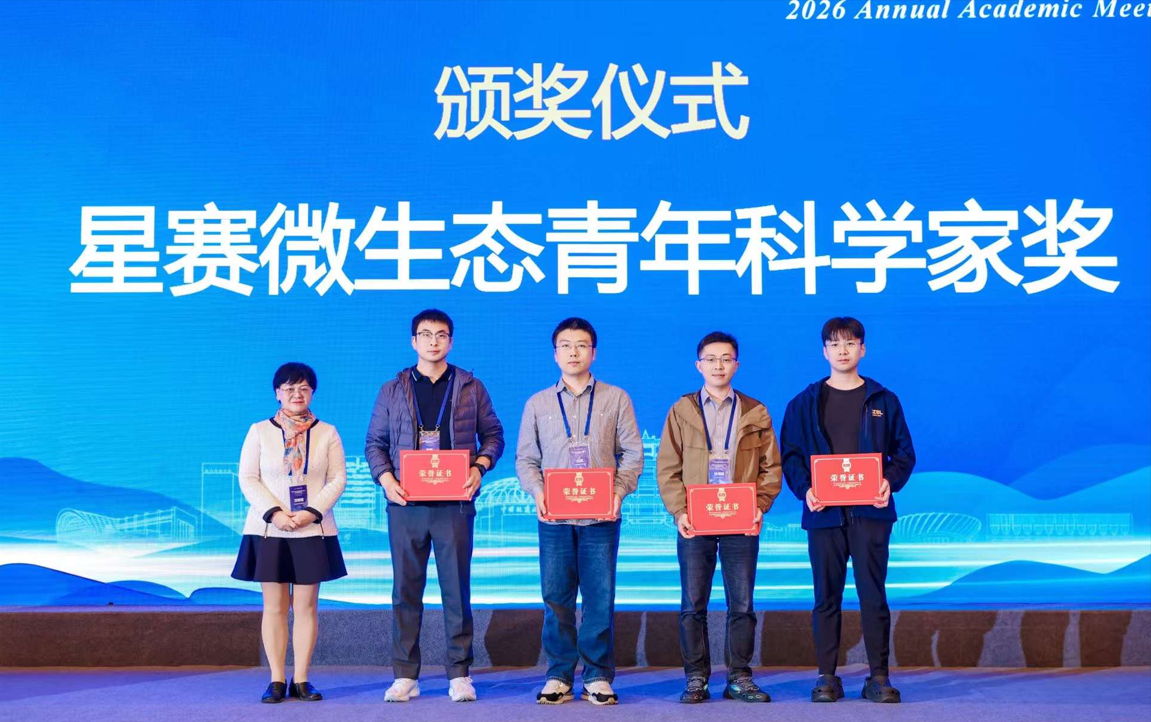
Award Recipients (in no particular order)
Song Yi | Southern University of Science and Technology
Using forward and reverse genetics, Song Yi has uncovered the molecular mechanisms through which plants recruit beneficial microbial communities to enhance disease resistance and drought tolerance. He introduced the concept of the core rhizosphere stress-responsive microbiome and has published 10 papers in leading journals, including Nature Plants and Nature Communications, in recent years.
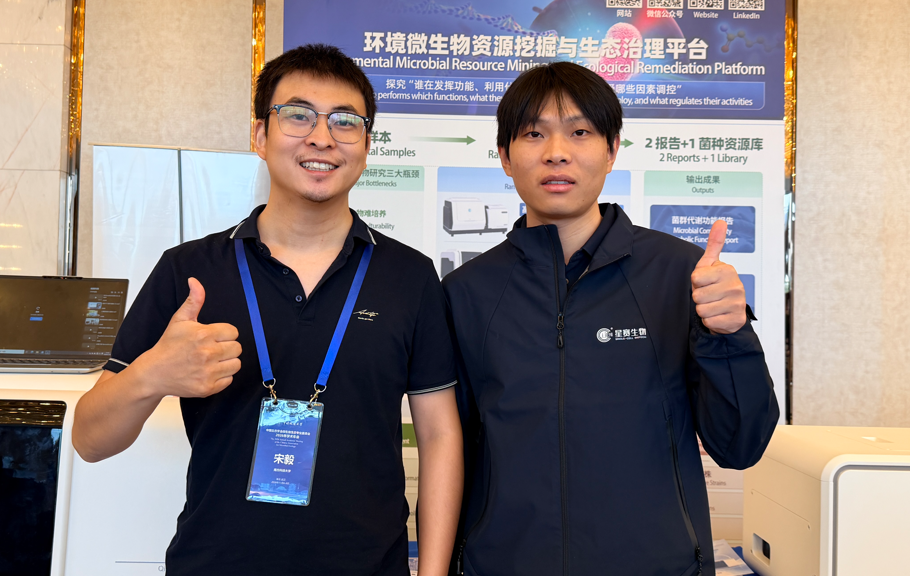
Haifeng Xu | Central China Normal University
Haifeng Xu has overcome key barriers in the genetic manipulation of desert cyanobacteria, established a research platform for molecular regulation of desiccation tolerance, and pioneered a red-light-triggered pre-adaptation strategy for desiccation resistance. His research has revealed photosynthetic regulation associated with circadian rhythms in cyanobacteria. In recent years, he has published eight papers as first or corresponding author in journals including PNAS and Current Biology.
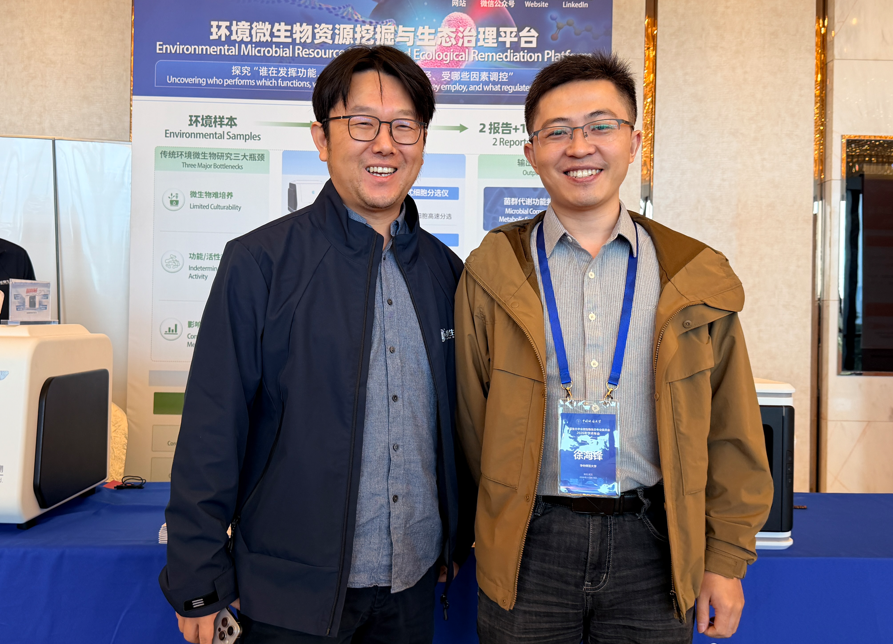
Kai Feng | Research Center for Eco-Environmental Sciences, Chinese Academy of Sciences
Kai Feng developed iNAP, a microbial molecular ecological network platform now widely used by researchers worldwide. His work integrates climate–microbe–soil modeling to predict soil alkalization risks affecting approximately 30% of grasslands in the future. His scientific contributions have also been recognized through his inclusion in Stanford University's list of the World's Top 2% Scientists.
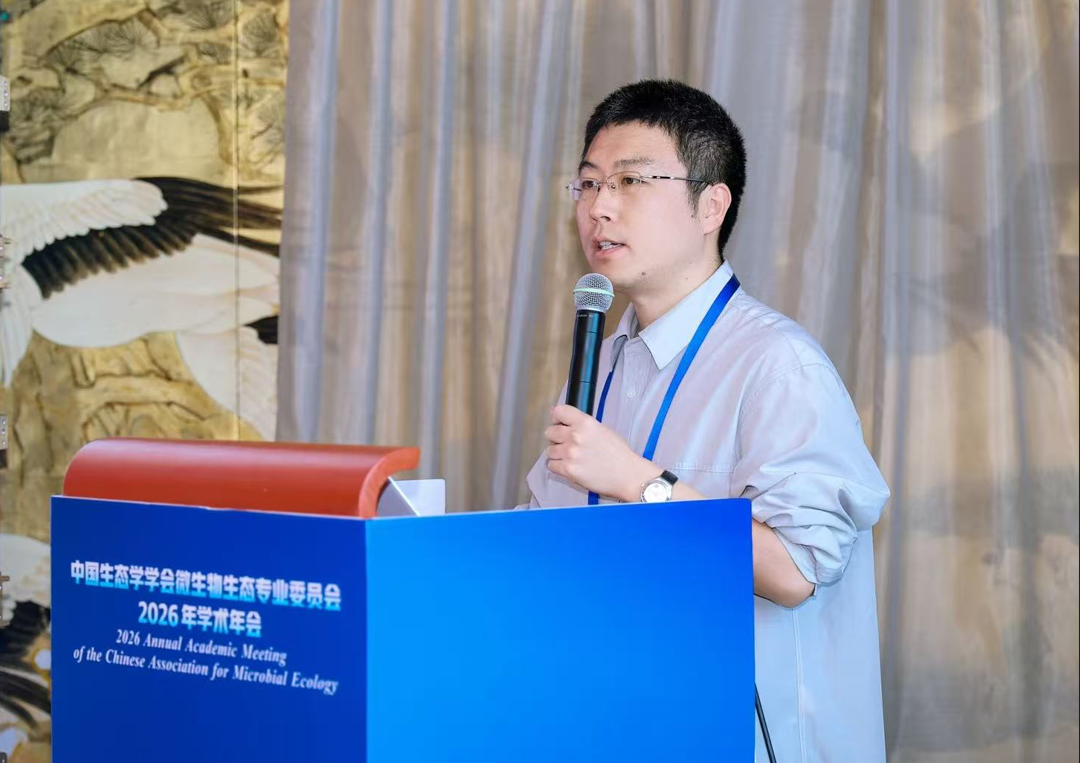
Jiliang Hu | Shenzhen Bay Laboratory
Jiliang Hu established an experimental system for controllable synthetic microbial communities, experimentally demonstrating state transitions in microbial communities as their complexity increases. His research further revealed that community dynamical states can predict invasion success. His findings have been published in leading journals, including Science (with a dedicated commentary in the same issue), Nature Ecology & Evolution, and PNAS.
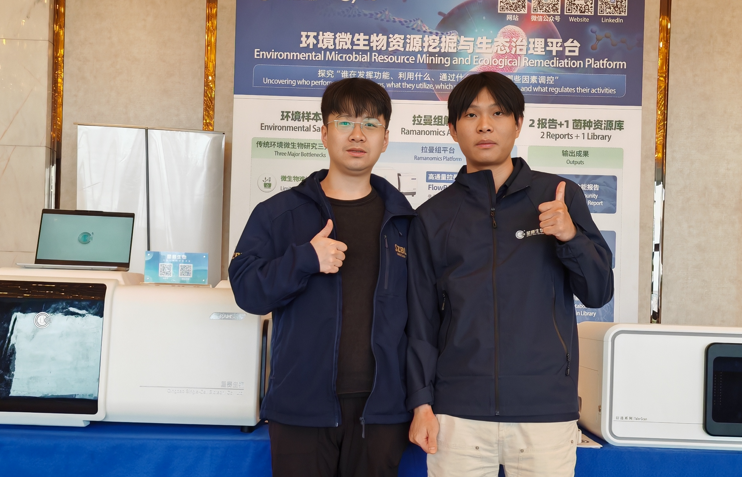
At eCyte, we believe that technological innovation and scientific talent development go hand in hand. Beyond advancing cutting-edge single-cell technologies, we are committed to supporting outstanding researchers, recognizing original discoveries, and fostering a vibrant global scientific community.
Congratulations once again to all four awardees!
We look forward to seeing their continued contributions to microbial ecology and the broader scientific community.